When you buy through links on our articles, Future and its syndication partners may earn a commission.

When NASA astronauts train for moonwalks, they don't start on the lunar surface — they often begin underwater. For decades, NASA's Neutral Buoyancy Laboratory (NBL) has been the premier training ground for astronauts learning how to move, work, and problem-solve in the closest Earth-based simulation of microgravity. It’s inside this massive 6.2-million-gallon pool that crews rehearse everything from International Space Station repairs to complex lunar surface tasks.
Now with the upcoming Artemis missions to the moon, astronauts are training in a new type of suit: the Axiom Extravehicular Mobility Unit, or AxEMU, designed by Axiom Space to support the first human moonwalks in more than 50 years.
What is it?
The AxEMU represents an upgrade from the Apollo-era suits and even the current ISS units. It’s built to offer greater mobility, improved fit across a wider range of body sizes, upgraded life-support systems, and better tools for scientific operations on the lunar surface.
Because Artemis astronauts will need to traverse uneven terrain, collect rock samples, and work for extended periods in harsh lighting and temperature extremes, training with the AxEMU long before launch is essential. At the NBL, astronauts wear weighted mockups of the suit underwater, allowing engineers and astronauts to evaluate maneuverability, dexterity, visibility, and overall performance.
Where is it?
This image was taken at the NBL at NASA's Johnson Space Center in Houston.

Why is it amazing?
In September 2025, NASA completed the first dual-suit run with the AxEMU. During the test, NASA astronauts Loral O'Hara and Stan Love donned two fully integrated AxEMU units simultaneously, the first time the suits had been used together in a realistic operational scenario. The dual run allowed teams to assess how astronauts coordinate tasks while suited, how the life-support systems perform in tandem, and how the NBL environment supports full-scale Artemis training.
O'Hara and Love carried out simulated lunar activities, including collecting rocks, navigating obstacles, and working side by side as they would on the moon. The test also demonstrated that the facility, support systems, and training procedures are ready for the next phase of Artemis preparation.
Want to learn more?
You can learn more about NASA's Artemis program and other moon missions.
LATEST POSTS
- 1
 The 15 Most Powerful Forerunners in Business
 - 2From candy cane fishing to ornament switcharoo, here are some of the best games you can play with your loved ones this holiday season
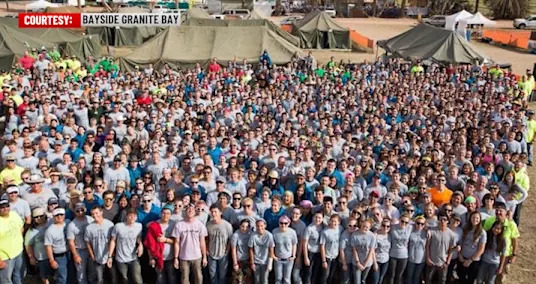
- 3‘Serving is not just a place’: Bayside Church Granite Bay reimagines annual mission amid conflict in Mexico
- 4South Korea launches Earth-observation satellite on homegrown Nuri rocket
- 5Visual communication Programming for Fledglings




- Home Machine Basics: An Exhaustive Purchasing Guide
- Step by step instructions to Pick an Incineration Urn: Variables to Consider
- Working out at the airport? Some fliers can already smell the sweat.
- Family-Accommodating Snow Sports Experiences
- Sports Shoes of 2024: Upgrade Execution and Solace
- Tech giants accused of not complying with Australian social media ban
- Man Charged for Stealing ‘Incredibly Precious’ 286-Year-Old Violin, Worth More Than $200,000, from a Tavern
- Treason trial of South Sudan's suspended VP is further eroding peace deal, UN experts say
- An Extended time of Self-Reflection: Self-awareness through Journaling