A massive dust storm, or haboob, swept across the Sahara Desert from western Algeria into Mauritania, Morocco, Western Sahara and the Canary Islands on March 30. The dust stretched for more than 1,000 miles.
As meteorologists observed the dust storm from space via weather satellites, social media users captured the incoming dust storm on camera. One video shows a thick wall of dust and sand moving toward a resident of the town of Tindouf, near the Mauritanian, Western Saharan and Moroccan borders.
How does the dust affect tropical storms in the Atlantic?
While this storm didn't make it too far off the coast, significant amounts of dust can drift westward from Africa across the Atlantic beginning in May. This can inhibit tropical storm formation, or the strengthening of an existing system, because the dusty air has about 50% less moisture than the typical tropical atmosphere.
Strong winds in the dust layer can also substantially increase the vertical wind shear in and around the storm environment, potentially disrupting any storm that forms.
LATEST POSTS
- 1
 The Best Computer games for Multiplayer Fun
 - 2Heart disease risk greater for women with a common condition they may not be aware they have
- 3Four Dead in Last Month From Animal Attacks in Nepal
- 4Mossad unveils network of Hamas terror infrastructure across Europe
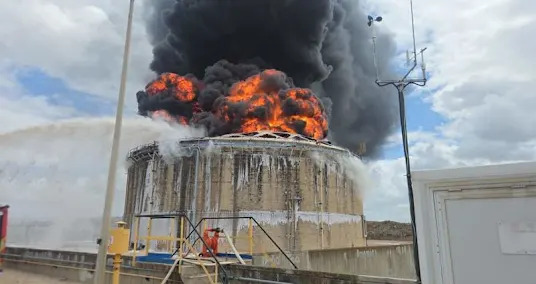
- 5Haifa refinery said hit in latest Iranian missile barrage



- 5 VIPs That Changed Style
- ABC News' Sam Champion opens up about recent health scare
- Passover under fire: Israelis balance fatigue with cautious hope after month of war
- FDA approves Wegovy pill for weight loss
- Step by step instructions to Open a Lovely Waterway Voyage Insight: Conveniences, Administrations, and Elite Offers
- Genetic study identifies earliest-known dog, dating to 15,800 years ago
- Middle East hotels hit pandemic-era lows amid Iran war
- I’m a dad to an autistic child. Here’s how you can make the holidays easier for all of us.
- Air India chief resigns 10 months after devastating Ahmedabad crash and amid mounting financial troubles