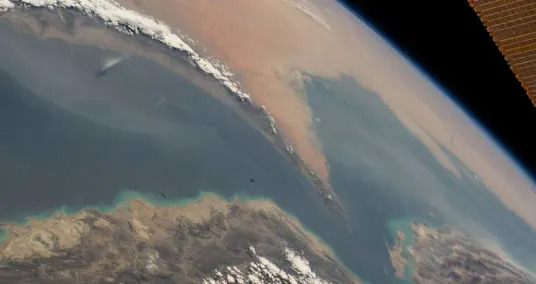

The interruption of oil and gas supplied through the Strait of Hormuz due to the US-Israel war with Iran has dramatically pushed up global energy prices.
Petrol has gone up already and UK domestic heating bills are almost certain to follow.
But it's not just fuel that's been impacted by the conflict. A host of other vitally important chemicals, gases and other products normally enter international supply chains via the Hormuz Strait.
BBC Verify has found that the price of a host of goods - ranging from food, to smartphones, to medicines - could be affected, as the number of ships passing through the Hormuz Strait has dropped from well over 100 a day before the war to just a handful.
Here is what could be impacted.
Fertilisers (Food)
Petrochemicals are derived from oil and gas and they are produced in great quantities for export by countries in the Gulf region.
And one of the most important is fertiliser, vital for global agricultural production.
According to the United Nations, around a third of the world's fertilisers - such as urea, potash, ammonia and phosphates - normally pass through the Hormuz Strait.

Data from the World Trade Organization shows that, since the conflict began, outbound shipments of fertiliser-related products through the waterway have collapsed.
Analysts have warned that a shortage of these ferilisers is likely to be particularly damaging to agricultural production now because March and April are the northern hemisphere's planting season and less fertiliser use now by farmers will impact yields for later in the year.
"A relatively brief closure could disrupt an entire growing season, with food security consequences that persist long after the strait reopens," according to researchers at the Kiel Institute.
-
Nearly 100 ships pass the Hormuz Strait - who is getting through?
-
How risky would it be to escort ships through the Strait of Hormuz?
-
In maps: Attacks across Iran and the Middle East enter third week
The Institute's work suggests a full closure of the Strait of Hormuz could push up global wheat prices by 4.2% and fruit and vegetable prices by 5.2%.
And it estimates that the most badly affected countries in terms of the overall increase in food prices would be Zambia (31%), Sri Lanka (15%), Taiwan (12%) and Pakistan (11%).
Russia normally supplies around a fifth of global fertiliser exports and analysts say it could potentially increase production to fill the gap.
Vladimir Putin's special envoy, Kirill Dmitriev, has said that Russia, a major producer of commodities like fertiliser, is "well positioned".
LATEST POSTS
- 1
 UB professor shares his experience on almost becoming an astronaut
 - 2Instructions to Comprehend and Use Open Record Extra Offers
- 3One of the best meteor showers of the year peaks at the worst possible time this week
- 4Wait, it's 'Harry Potter and the Philosopher's Stone'? Why the new HBO series name is significant to Americans
- 5West Palm Beach Shorecrest, renderings of downtown waterfront condo




- Brexit's Effect on New York's Ascent as a Main Monetary Center
- Falcon 9 rocket launches Starlink satellites before making 550th SpaceX landing (video)
- Amplifying Cash The executives: The Upsides and downsides of Various Ledgers
- Iconic iceberg turns blue, on verge of totally disintegrating, NASA says
- Lego's $650 Pokémon set is already sold out as demand, preorders surge
- As infant botulism cases climb to 31, recalled ByHeart baby formula is still on some store shelves
- Wisconsin judge sends Slender Man attacker back to mental health institution after group home escape
- Russia earning billions from Hormuz blockade, German trade body says
- Find the Specialty of Calligraphy: Dominating the Exquisite Art of Penmanship